4.1 Tools and equipment
You have all the tools and equipment that you will need when you are starting out in your kit. As you become more experienced, you will likely want to test out other tools, and your kit will continue to grow. In this section, we will look at the absolute essentials every MUA must-have.
Brushes
Makeup brushes are absolutely essential for gorgeous applications each and every time. There are hundreds of different brushes you can use, and some brushes are better for particular applications. Aside from different application purposes, brushes can come in a range of different materials. These can be categorised into two main categories – synthetic or natural.
| Brush Type | Overview | Example |
|---|
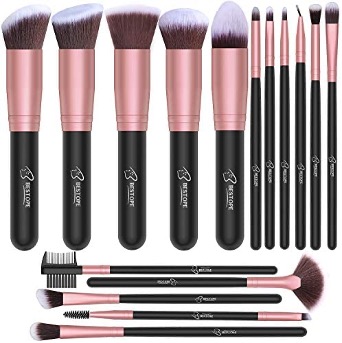
Synthetic
Synthetic brushes have bristles constructed with man-made hairs of nylon, polyester or other synthetic materials. These types of brushes are excellent for applying wet products such as foundation, concealer and creams.
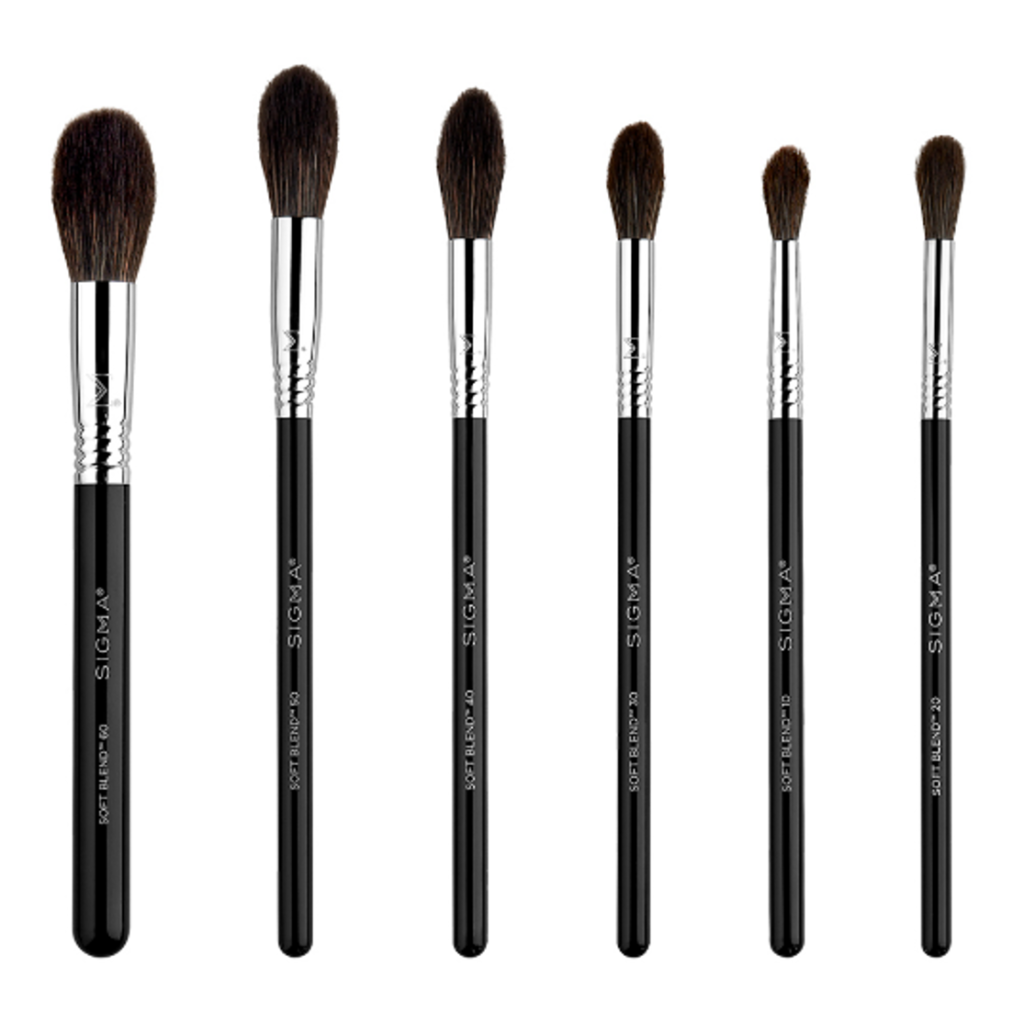
Natural
Real or natural brush fibres are made from various animal furs and hairs. Natural brushes tend to be fluffy rather than flat. This means they are comfortable on the skin and are fantastic for powder-based products like eyeshadow, blush, contour and finishing or setting powder.
In terms of application, makeup brushes can have multiple uses. A fluffy blending brush, for instance, can be used to apply transition shades to the eye, setting powder on top of concealer and even a subtle contour to the cheek. As you begin working with your brushes, you will soon find your favourites in terms of what you prefer using. Angle brushes are excellent for applying eyeliner and creating the outer ‘V’ shape for the deep crease eyeshadow look. You will learn more about application techniques in an upcoming module.
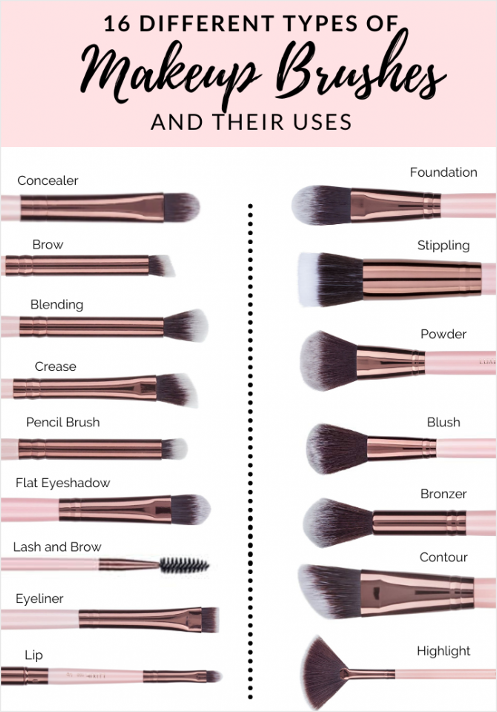
While there is some flexibility in terms of using brushes for multiple purposes, there are definite jobs for different brushes. When you purchase individual brushes, the purpose is usually in the name – i.e. crease brush, foundation brush or blending brush. The image below provides a general summary of common brushes and their uses:
Beauty blenders and sponges
As an alternative to brushes, you might prefer to use a damp beauty blender or sponge. There are loads available on the market, and they range in price.

Brush roll / brush container
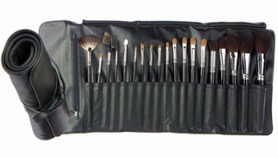
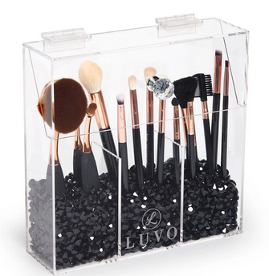
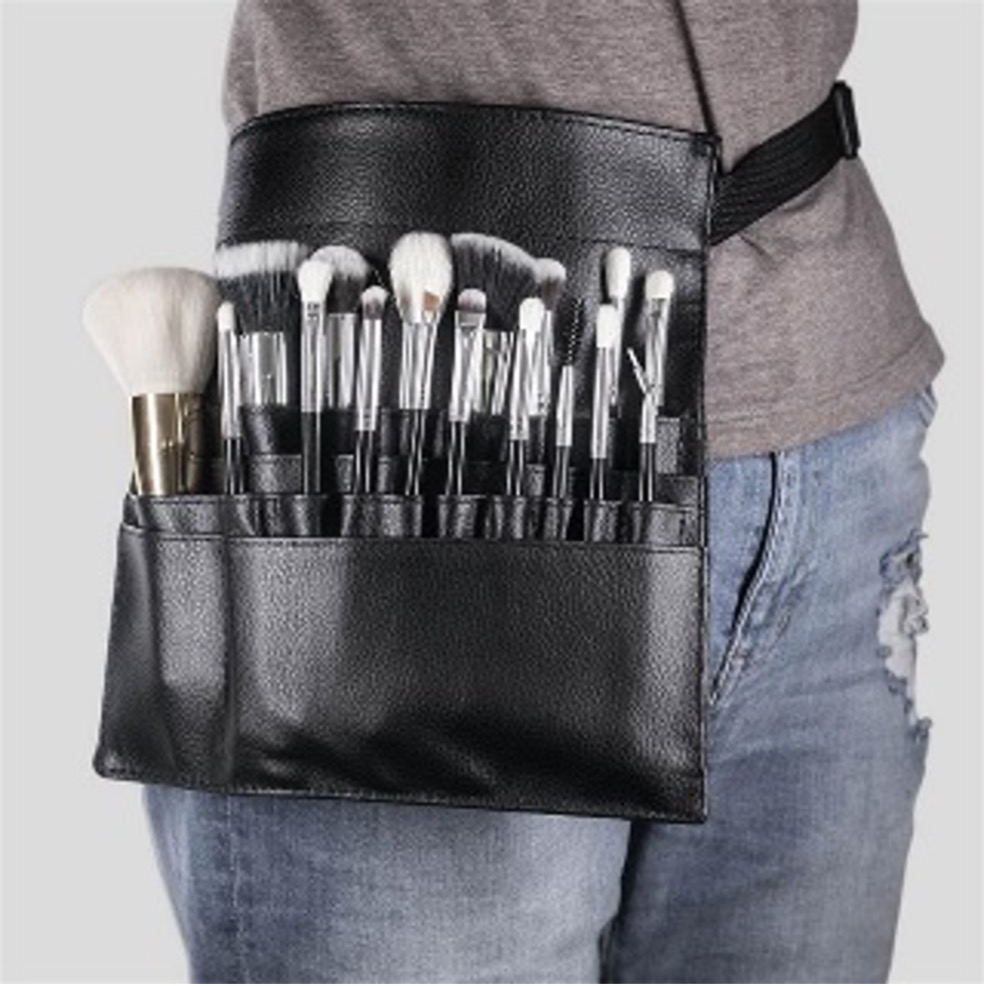
To keep your brushes organised and to ensure you don’t lose any, you should invest in a brush roll, container or holder. Brushes aren’t cheap; in fact, there is a makeup brush on the market that retails for $25,000! While it is unlikely that you will have super expensive equipment when starting out, getting into good habits early on will help you to ensure that your tools and equipment last longer and being organised will help to ensure you don’t lose any of your brushes. Example brush storage ideas have been provided below:
Brush roll
Brush container
Wearable brush bag
Makeup bag / case
Using a makeup bag or trolley is an excellent way to store and compartmentalise your kit. If you make sure that everything has a home, this will help you to identify anything that is missing and find it promptly! This will also help you identify if you are running low on anything because nothing is more frustrating when you run out of product or can’t find the perfect brush during a makeup application. Makeup bags and trolleys range in price but are a good investment. Examples are below:
Makeup bag
Makeup trolley
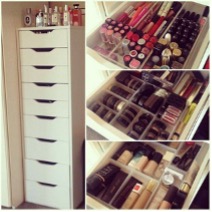
At home storage unit
Most professional tweezers are made from titanium or stainless steel. The reason they are made from these materials is that they are hard wearing and safe to use on clients skin. Depending on the grade of stainless steel, they may contain a small amount of nickel, which can cause reactions in clients’ with nickel allergies and other sensitivities. Do not be fooled by products marketed as ‘hypoallergenic’.
Key phrase | Hypoallergenic: Hypoallergenic means that a product is ‘unlikely’ to cause a reaction.
As the definition suggests, hypoallergenic means that a product is unlikely to cause a reaction, but that doesn’t mean they are allergy-proof! While stainless steel tools will be fine on most clients, if you are concerned about causing allergic reactions, then you should opt for titanium tools. If you are ordering your tools from overseas, particularly from countries where rigorous compliance with alloy materials is not mandated, you can also purchase nickel tests to detect the presence of nickel. You can order these tests online, and they are relatively inexpensive and will give you some peace of mind that your tools are made from the materials they are supposed to made from.
Mixing plate or palettes
To maintain proper hygiene, most of your products will be decanted (poured out) onto a mixing plate or palette. There are loads of options available, and they come in plastic, stainless steel or titanium. Some MUAs prefer a flat mixing plate, while others use a palette more like a paint artist to separate out product. There are some palettes and plates with rings attached so you can wear them while you are performing your makeup services. What you decide to use is totally up to you!
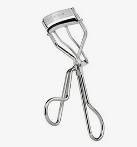
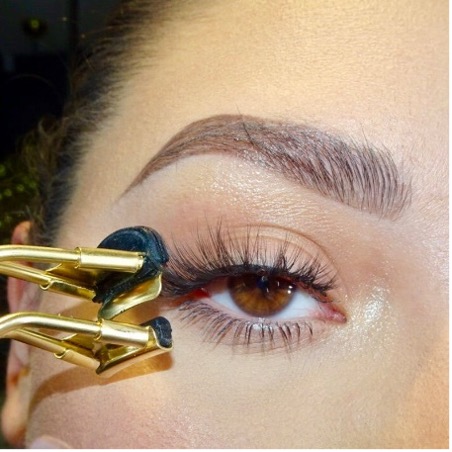
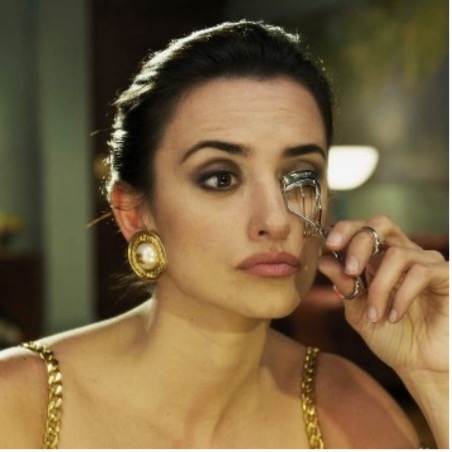
Lash curler
If you have clients who have straight or downward-facing lashes, then you will want to ensure you use a lash curler to curl their lashes before applying mascara or false lashes. Lash curlers are inexpensive and come in a variety of shapes, styles and colours.
Sharpener
A decent sharpener is essential for your kit. To ensure that you are practising safe hygiene, your pencils all need to be sanitised and sharpened in between clients. This helps to ensure that a fresh product is being applied each and every time. If you are using eye pencils that twist upwards, you can either break a bit of the pencil into a palette and then use a brush to apply the liner, or you will need to spray sanitiser. Sharpeners that have a shavings catcher attached can be really handy, especially if you are a mobile MUA. Having the catcher attached means you won’t get shavings all over the floor!
Hair clips, cape and clothing cover
During your makeup application, you definitely don’t want to get makeup on your client’s clothes or in their hair! If your client has a fringe, you will want to have some hair clips on hand or a head band to keep their hair back throughout the service. You don’t need anything too fancy, just make sure it is comfortable for your clients! If you are finding it difficult to get quality hair clips or capes, be sure to check out hair dressing suppliers.
Mannequin head
Although not essential, if you are struggling to apply false lash strips or individual lashes, you might want to invest in a mannequin head. There are loads of options on the market, and they range in price from $25 to $100. You have basic mannequin heads, and then there are mannequin heads that have removable eyelids! The type you choose will depend on your preference and budget.